Navigating the Challenges of Retrofitting HVAC Systems in Historical Buildings Jul 02, 2026
The first step in retrofitting HVAC systems in historical buildings is to conduct a thorough assessment of the existing structure. Many historic buildings were not originally designed to accommodate modern HVAC systems, so careful planning is essential. This includes understanding the building's architectural integrity and identifying areas where HVAC integration will cause minimal disruption. At this stage, engaging with structural engineers and historians is advisable to ensure that the integrity of the building is maintained.
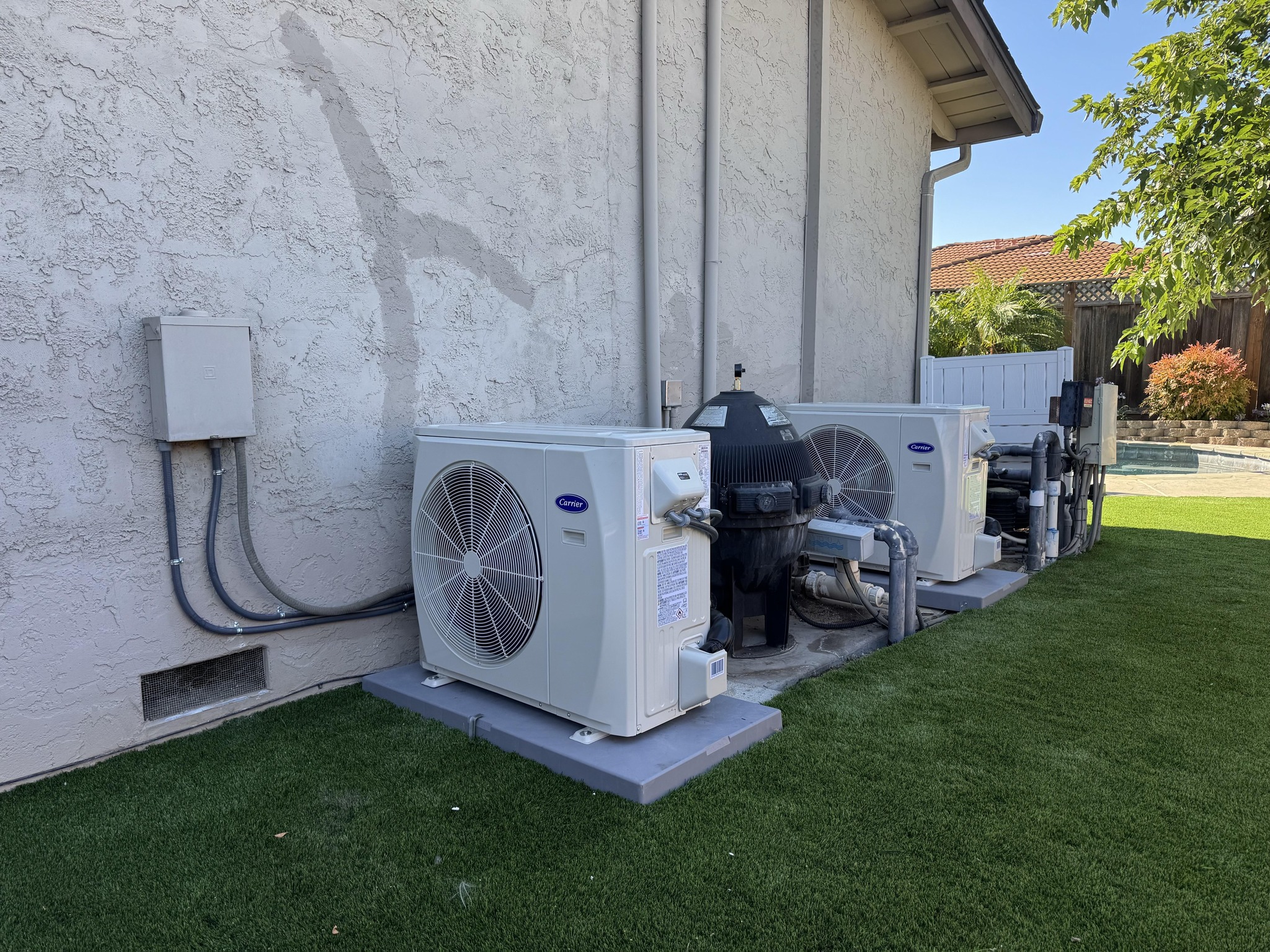
One of the major challenges encountered is the issue of limited space. Historical buildings often have unique layouts and constraints, making the integration of modern HVAC components challenging. To address this, many installers opt for ductless mini-split systems, which require less invasive installation compared to traditional ducted systems. These systems are not only space-efficient but also offer energy efficiency benefits—a key consideration in maintaining the operational cost of a historic building.
Energy efficiency is another critical factor. Many historical buildings are not insulated to the standards expected today. Thus, improving insulation without altering the historical character of the building is crucial. Using materials that are both effective and unobtrusive is vital. For instance, window films can enhance energy efficiency without changing the appearance of historical glass. Additionally, strategic use of landscaping such as tree planting can reduce heat gain in the summer and help insulate the building during winter.
Preserving the aesthetic appeal of historical buildings is of utmost importance during retrofitting. Every modification should be subtle and sensitive to the original design. When installing HVAC systems, selecting components that are discreet or can be concealed is critical. For example, grills and vents can be custom-designed to match the existing decor. This ensures that while the building benefits from the comforts of modern climate control, its historical character is not compromised.
Another aspect often overlooked is the regulatory framework governing modifications to historic buildings. Building owners must navigate a complex web of local, state, and national regulations designed to protect the cultural heritage of these sites. Partnering with a knowledgeable HVAC installation company like All HVAC and General Construction will ensure that all necessary permits and approvals are secured, avoiding potential legal hurdles.
Finally, the success of an HVAC retrofit in a historical building ultimately depends on regular maintenance and monitoring. Newly installed systems should be carefully managed to ensure they operate efficiently and do not affect the building’s structural integrity over time. Regular servicing by experienced professionals will protect the investment and ensure longevity.
In conclusion, retrofitting HVAC systems in historical buildings presents numerous challenges but is ultimately achievable with the right approach. By prioritizing careful planning, innovative solutions, and respecting the architectural beauty of historical structures, building owners can enjoy modern comforts while preserving the past. All HVAC and General Construction is committed to helping clients navigate this delicate process, offering tailored solutions that honor both history and contemporary standards.
/filters:no_upscale()/filters:format(webp)/media/04fdabeb-bfbf-4c3b-b22e-734c075acb10.jpg)