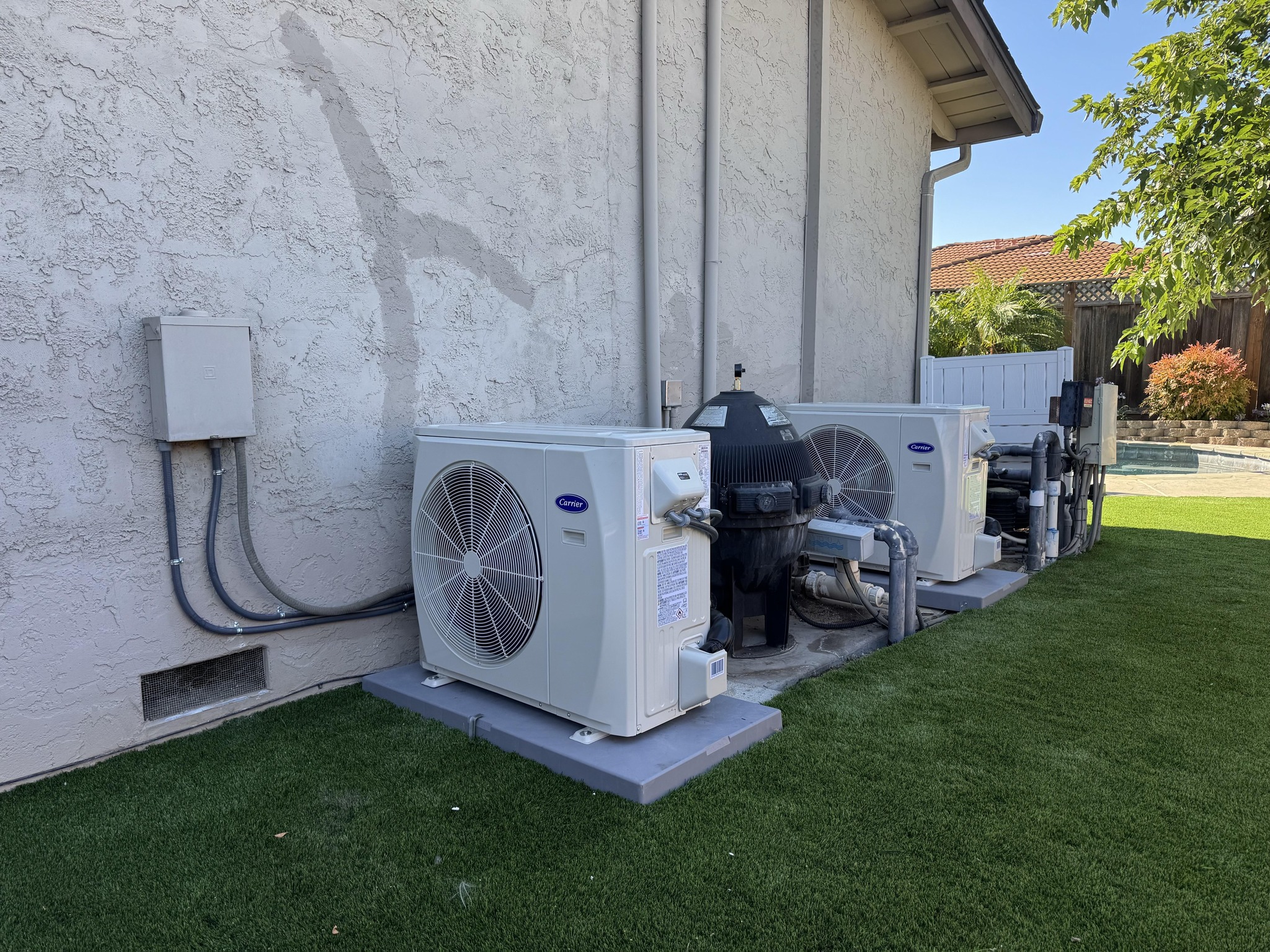
Harnessing Technology: How Smart HVAC Systems are Transforming Buildings Jul 07, 2026
Smart HVAC systems utilize advanced technology to optimize the heating and cooling of buildings. By leveraging sensors, connectivity, and data analytics, these systems can drastically improve energy efficiency, reducing costs and environmental impact. This transformation begins with the integration of IoT (Internet of Things) devices, which play a pivotal role in continuously monitoring various environmental parameters like temperature, humidity, and air quality.
The primary advantage of smart HVAC technology is its ability to adapt to users' lifestyles and preferences. For instance, smart thermostats can learn the occupant's schedule, adjusting temperatures based on occupancy patterns without manual intervention. This not only maximizes comfort but significantly lowers energy consumption, translating into savings on energy bills. Moreover, these systems offer remote access and control via smartphones or other devices, allowing users to modify settings from anywhere, at any time.
Another transformative aspect of smart HVAC systems is their capability for predictive maintenance. Traditional systems often operate on a reactive maintenance model, fixing issues after they arise. However, smart systems can predict potential failures before they occur by analyzing data trends over time. This proactive approach minimizes downtime, prevents costly emergency repairs, and extends the overall lifespan of the equipment.
Additionally, smart HVAC systems play a crucial role in enhancing air quality within buildings. By monitoring pollutant levels and adjusting ventilation rates accordingly, these systems ensure a healthier indoor environment. This feature is especially beneficial in urban settings where air quality is a major concern. As a result, smart HVAC systems support not only the building's structural integrity but also its occupants' well-being.
For businesses and homeowners considering an upgrade, investing in smart HVAC solutions presents a multitude of benefits. Beyond improved efficiency and cost savings, these systems are environmentally friendly. By optimizing energy use, they contribute to a reduction in carbon footprint, aligning with the growing demand for sustainable building practices. All HVAC and General Construction understand the importance of smart technology and are equipped to guide their clients through the transition process, ensuring seamless integration and maximum benefit from these innovations.
However, before adopting smart HVAC technology, it is essential to assess compatibility with existing infrastructure and define specific goals for the upgrade. Consulting with industry experts like All HVAC and General Construction can help navigate these decisions, customize solutions, and ensure an efficient implementation process.
In conclusion, as technology continues to advance, smart HVAC systems stand at the forefront of building management transformations. They offer undeniable advantages in terms of efficiency, convenience, and sustainability. By embracing these innovations, All HVAC and General Construction empower their customers to take control of their environments, making smarter, more informed decisions that benefit not only their wallets but the planet as well. As we look to the future, it's clear that integrating these smart systems will become a standard practice in constructing and managing buildings of the modern era.
/filters:no_upscale()/filters:format(webp)/media/04fdabeb-bfbf-4c3b-b22e-734c075acb10.jpg)